
Your driveway or access road is exposed to daily wear, vehicle traffic, and changing weather conditions.
Over time, even the best installed surfaces can begin to show signs of deterioration. Spotting problems early can save you time, money, and prevent more serious structural damage.
At Harrington Brothers Ltd, we regularly inspect and repair driveways, private roads, and commercial surfacing across Essex, London, Hertfordshire and Kent.
In this guide, we highlight the most common warning signs that your surface needs professional attention – and explain when a simple repair is enough, or when resurfacing may be the better long term solution.
Why Early Driveway & Road Repairs Matter
Minor surface defects rarely stay minor. Cracks allow water to penetrate the structure, freeze – thaw cycles widen damage, and traffic accelerates deterioration.
By addressing issues early, homeowners and businesses can:
- Prevent full surface failure
- Extend the lifespan of tarmac or resin surfaces
- Improve safety for vehicles and pedestrians
- Maintain kerb appeal and property value
- Avoid higher repair costs later on
Our team at Harrington Brothers often finds that early intervention reduces repair costs significantly.
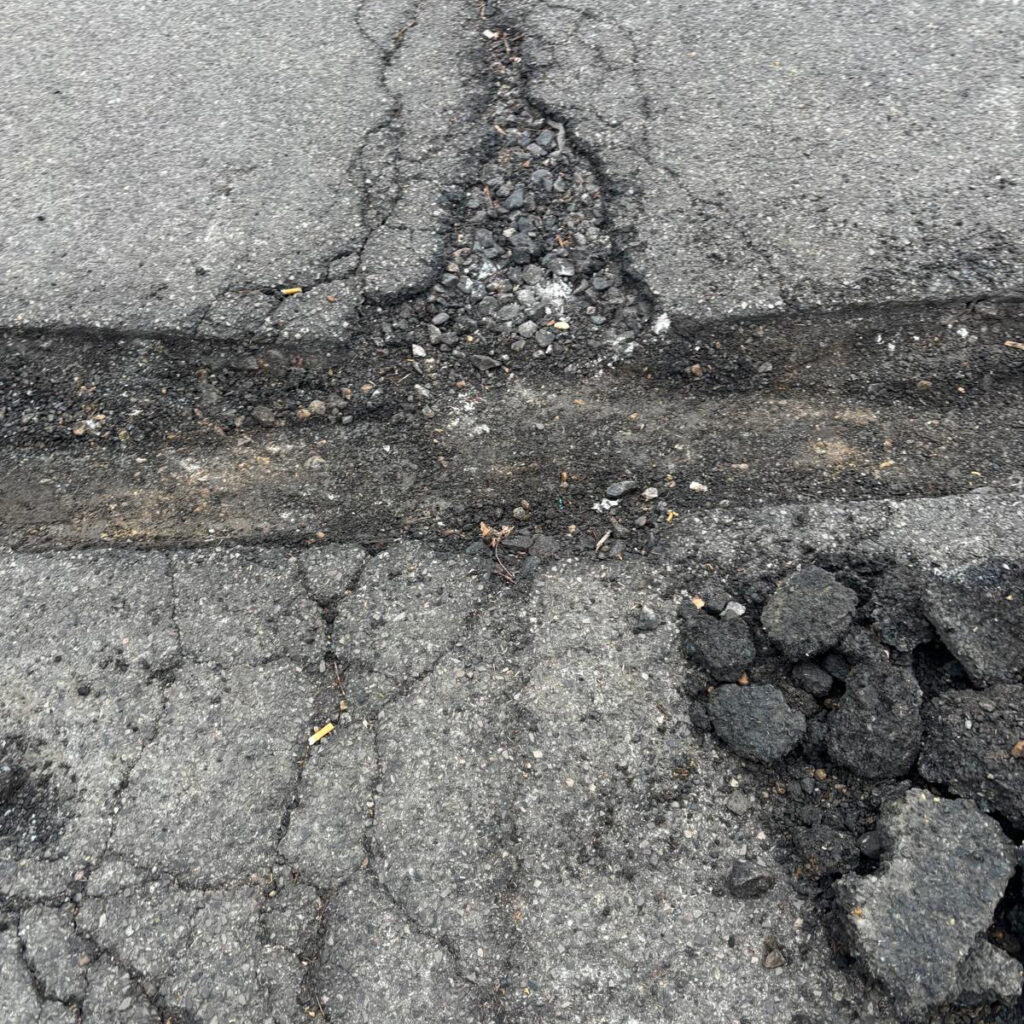
1. Visible Cracks in the Surface
Cracking is one of the most common signs that a driveway or road surface is starting to fail.
Types of Cracks to Watch For
- Hairline cracks – Often caused by weather or minor movement
- Long linear cracks – May indicate base movement or poor drainage
- Alligator cracking – A sign of structural weakness beneath the surface
While small cracks may seem harmless, they allow water to seep into the sub-base.
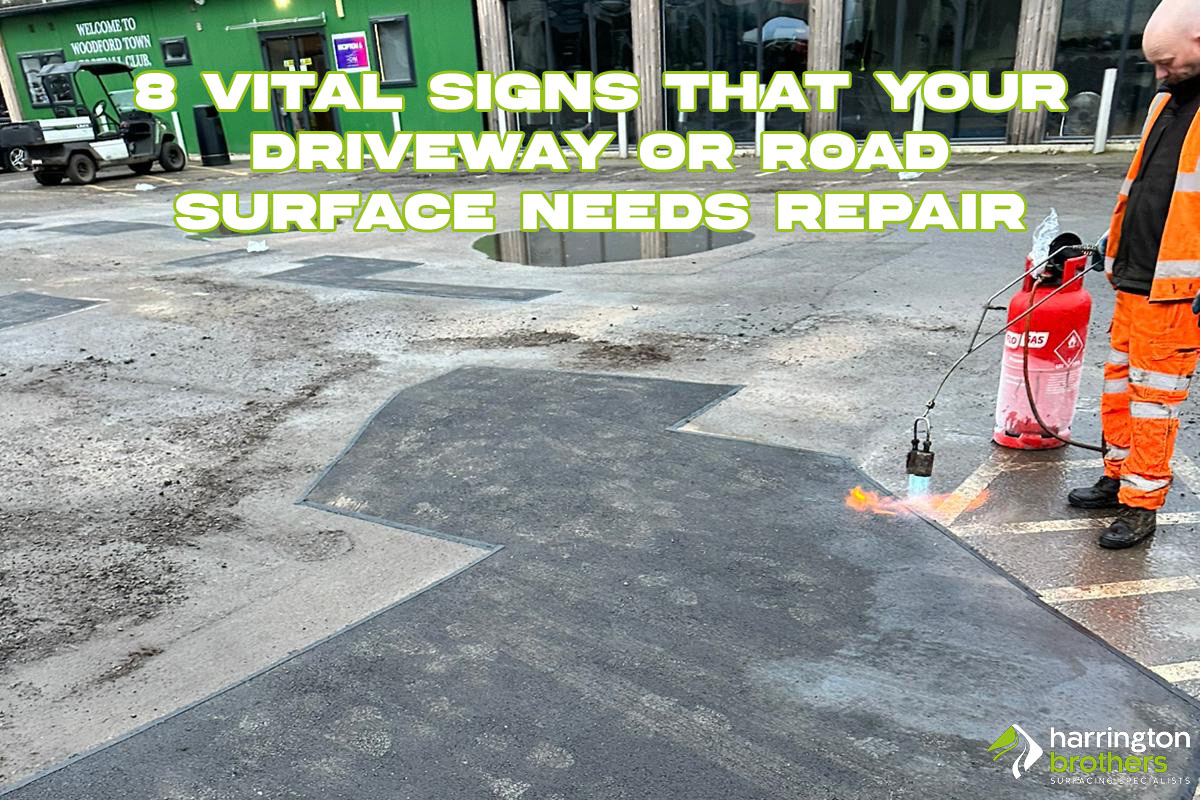
Harrington Brothers frequently repair cracked tarmac and potholes before it develops into widespread surface failure.
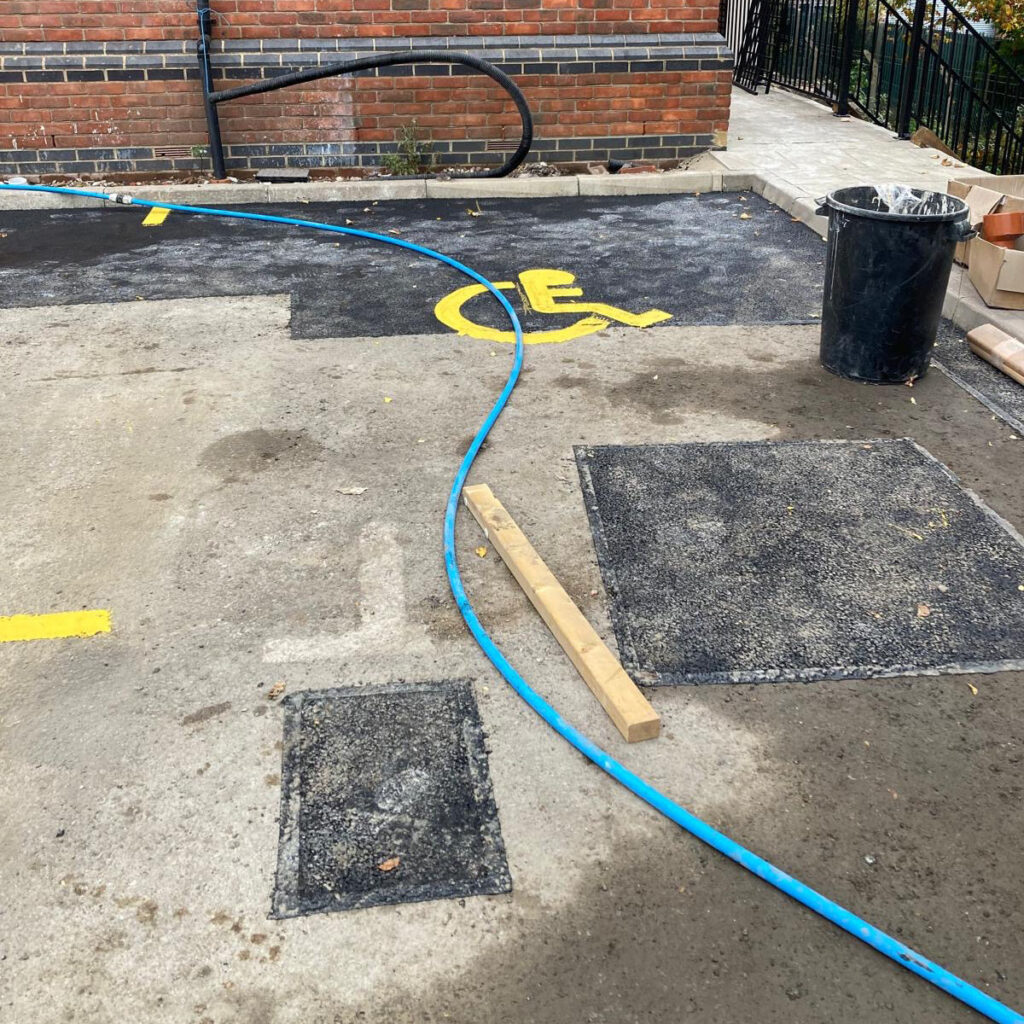
2. Potholes or Depressions
Potholes are not just unsightly – they are a serious safety risk. They typically form when water penetrates cracks, weakens the base layer, and traffic pressure causes collapse.
Common causes include:
- Freeze – thaw weather cycles
- Poor original installation
- Inadequate sub-base
- Heavy or frequent vehicle traffic
At Harrington Brothers Ltd, we often carry out targeted pothole repairs to prevent further spreading, particularly on private roads and commercial access areas.
3. Standing Water or Drainage Problems
If water pools on your driveway or road surface after rainfall, it’s a clear sign of drainage failure.
Standing water can lead to:
- Surface weakening
- Increased cracking
- Slippery conditions
- Accelerated erosion
Harrington Brothers regularly assesses drainage gradients and installs effective solutions such as channel drains, soakaways, or permeable surfacing to prevent long term damage.
4. Surface Fading, Discolouration or Loose Aggregate
While cosmetic changes might not seem urgent, they can indicate deeper problems.
On Tarmac Surfaces:
- Fading from black to grey suggests oxidation
- Brittleness increases cracking risk
On Resin Bound Surfaces:
- Loose stones may indicate resin breakdown
- Discolouration can result from UV damage or contamination
Our team can advise whether resealing, patch repair, or resurfacing is the most cost effective option.
5. Uneven or Sinking Areas
Sunken sections are often caused by sub-base failure or ground movement beneath the surface.
Signs include:
- Visible dips
- Water collecting in specific spots
- Vehicles pulling to one side when parked
Harrington Brothers Ltd frequently resolves this by removing affected sections, rebuilding the sub-base, and reinstating the surface correctly.
6. Weed Growth Through the Surface
Weeds growing through tarmac, block paving, or resin are more than a visual issue – they indicate cracks or weak joints.
If weeds are repeatedly returning after removal, it’s usually a sign that repairs are needed rather than surface cleaning alone.
7. Crumbling Edges or Kerb Failure
Edges are often the first areas to fail, especially on driveways without proper edging support.
Problems include:
- Breaking edges
- Spreading tarmac
- Loss of shape and definition
Harrington Brothers often installs or repairs block or concrete edging to reinforce the surface and prevent further breakdown.
8. Increased Vehicle or Pedestrian Safety Risks
If your driveway or road surface presents a trip hazard, skidding risk, or vehicle damage risk, repairs should not be delayed.
This is especially important for:
- Shared driveways
- Commercial premises
- Private roads
- Areas with public access
Our experienced team ensures all repairs meet safety standards and provide long term reliability and efficiency for local authorities.
Repair or Full Resurfacing – Which Is Best?
One of the most common questions we receive at Harrington Brothers Ltd is whether a driveway needs repairing or complete resurfacing.
Repairs Are Suitable When:
- Damage is localised
- The sub-base is still stable
- The surface is generally in good condition
Resurfacing Is Recommended When:
- Cracks are widespread
- Drainage issues are persistent
- The surface is over 15 – 20 years old
- Multiple repairs have already failed
We always provide honest advice based on long term performance, not unnecessary work.
Why Choose Harrington Brothers Ltd for Driveway & Road Repairs?
At Harrington Brothers Ltd, we have built a reputation across Essex for reliable, high quality surfacing and repair work.
- Experienced driveway and road surfacing specialists
- Domestic, commercial, and private road repairs
- Honest assessments and clear quotations
- Durable, long lasting repair solutions
From small driveway repairs to full resurfacing projects, our team ensures every surface is restored properly, not just patched temporarily.
Professional Driveway & Road Repairs in Essex
If you’ve noticed any of the warning signs above, early action can prevent costly replacements.
Contact Us for a professional inspection, expert advice, and a free, no-obligation quotation for driveway or road surface repairs.