Driveway resurfacing in Chelmsford: new top or full rebuild?
Driveway resurfacing only works if what’s underneath is sound. Put a fresh layer over a base that’s already failing and you’ve paid for a new surface that copies every crack and dip from the old one within a couple of winters. So the first job on any resurfacing quote is working out which camp your drive is in.
Usually fine to resurface
- Tarmac that’s gone grey and is fretting (losing its surface stone) but is still flat
- Fine hairline cracks with no movement or sinking
- A surface you just don’t like any more, on a base that’s doing its job
Usually needs a proper rebuild
- Ruts where the cars park, or dips that hold puddles
- Crazed cracking like a crocodile’s back, which means the base has given up
- Blocks that rock, sink or have spread at the edges
- Anywhere tree roots have lifted the surface
There’s a middle ground too: a sound drive with a few bad patches. We cut those out and rebuild them properly, much as we would with pothole repairs, then resurface the lot.
You get a full new top without paying to dig out ground that didn’t need it.
On this page
What we look at on a driveway resurfacing survey
Our survey is free and there’s no obligation. On a driveway resurfacing job, this is what we’re looking at:
- The base. Does it flex, sink or sound hollow? Is the failure in the top layer or deeper down?
- Levels against the house. A new surface adds height, and it has to stay below your damp proof course. Sometimes that means planing off or digging down rather than laying over the top.
- Water. Where does rain go now, and where will it go afterwards? On Chelmsford clay, water with nowhere to go sits under the drive and softens it.
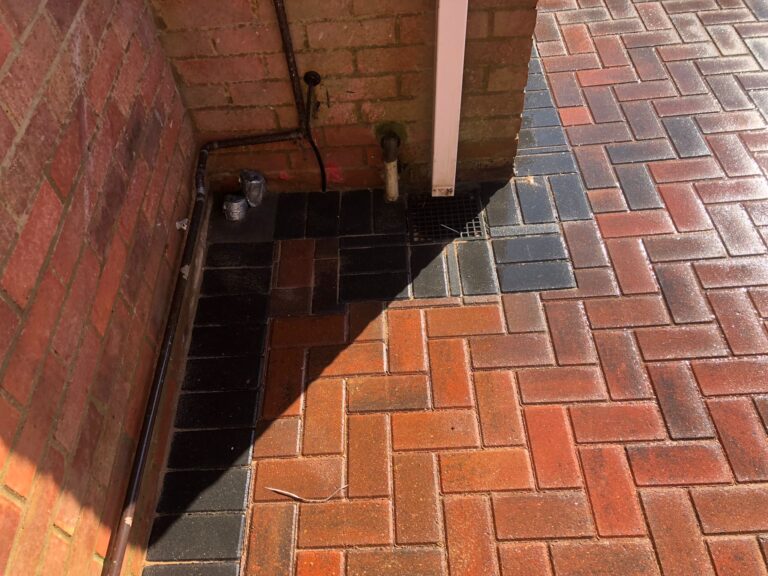
- Covers and edges. Manhole and inspection covers may need raising, and kerbs or edging may need resetting.
- The entrance. How the drive meets the pavement, and whether a dropped kerb comes into it.
Afterwards you get a fixed quote in writing, with the options laid out and what we’d do if it were our drive.
Your driveway resurfacing options
Tarmac
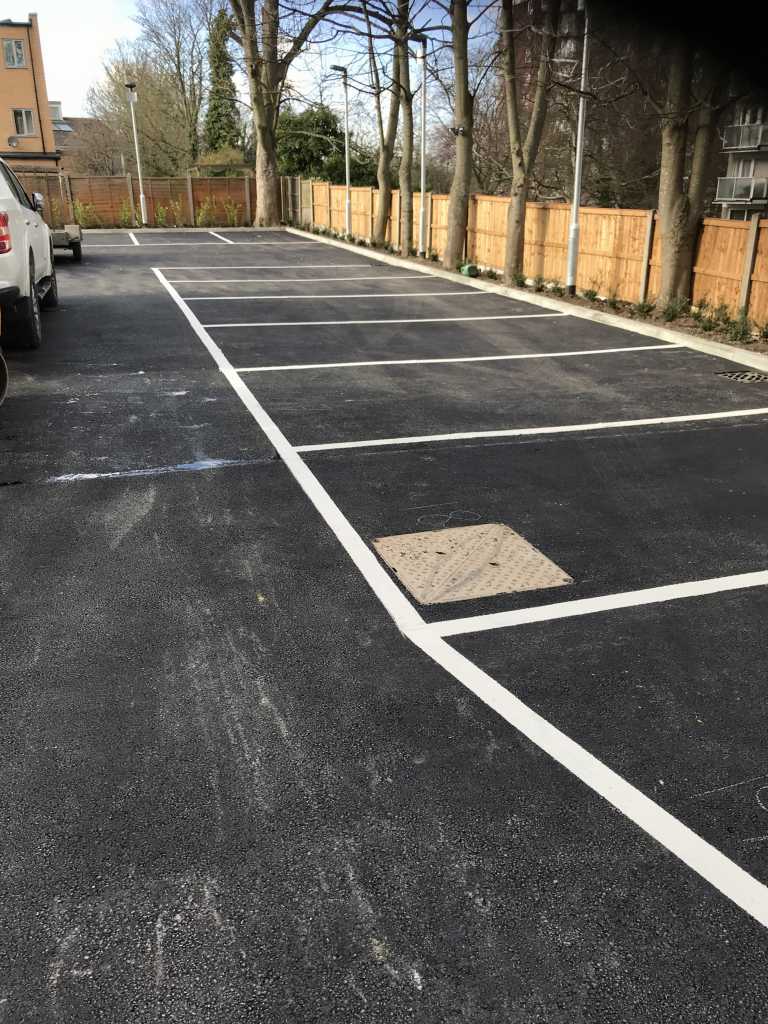
For most homes, tarmac is the most cost-effective way of resurfacing a driveway. We lay a 6mm SMA wearing course (a hard wearing, fine textured top layer) by hand, over a base course where it’s needed, and seal every joint with bitumen overbanding so water can’t get in at the edges. Done properly it should last 15 to 20 years. Tarmac starts from £25 per m². More on our tarmac driveways in Chelmsford.
Resin bound
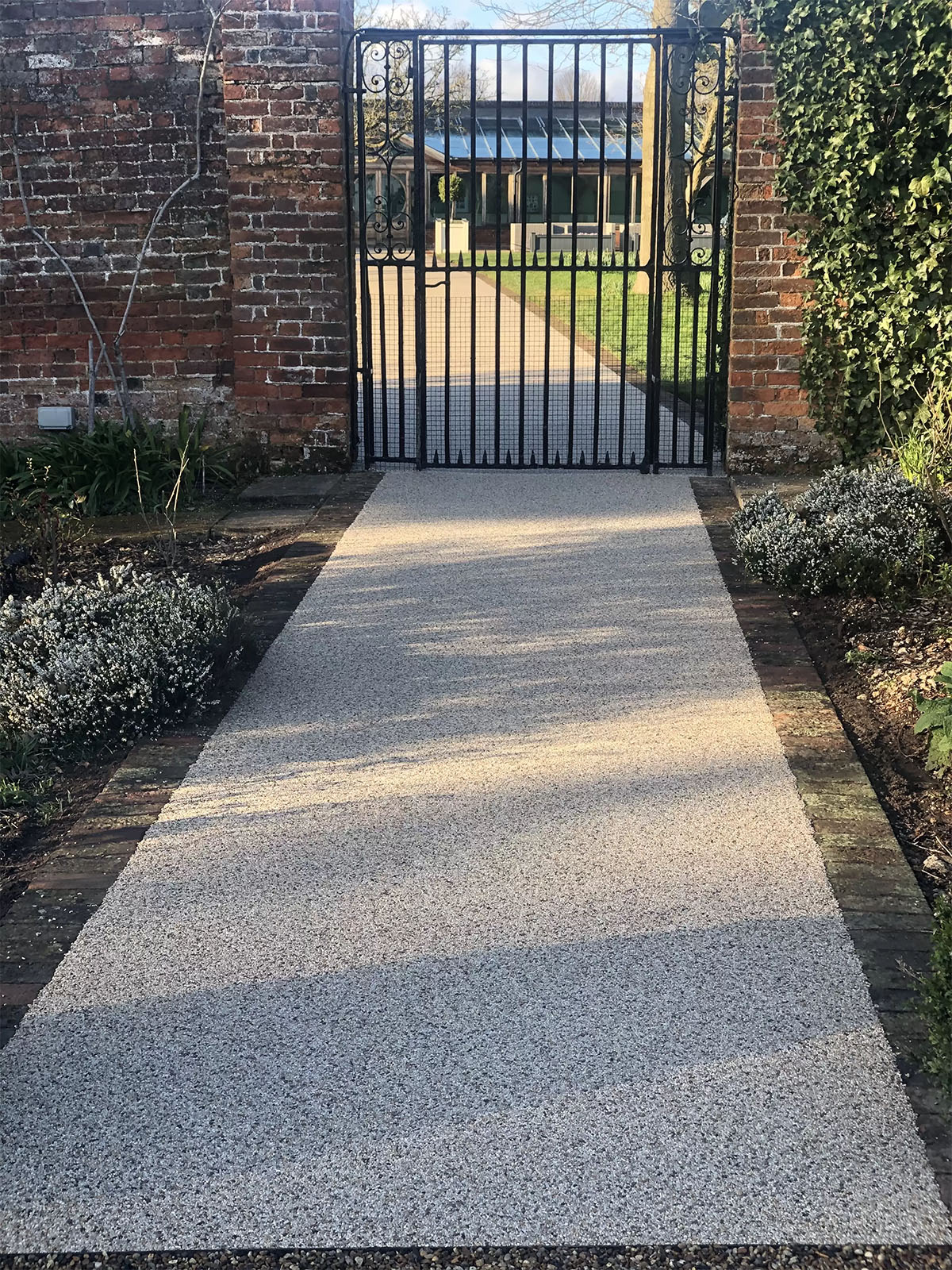
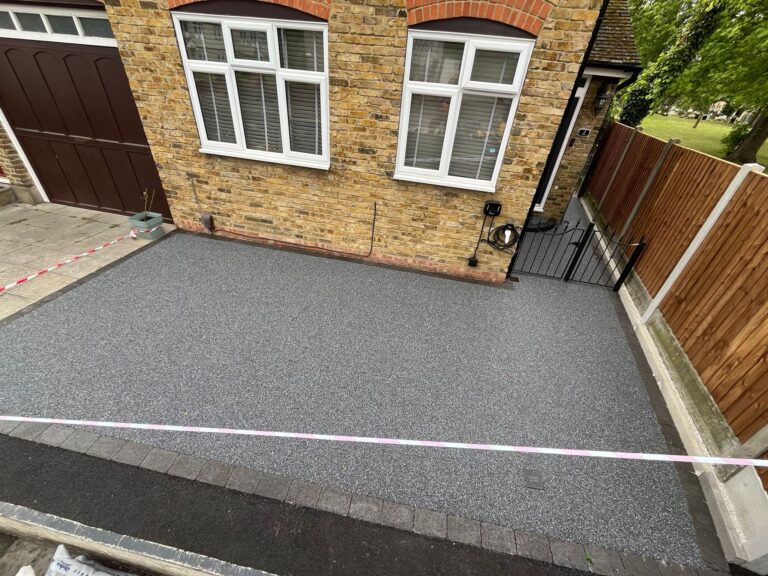
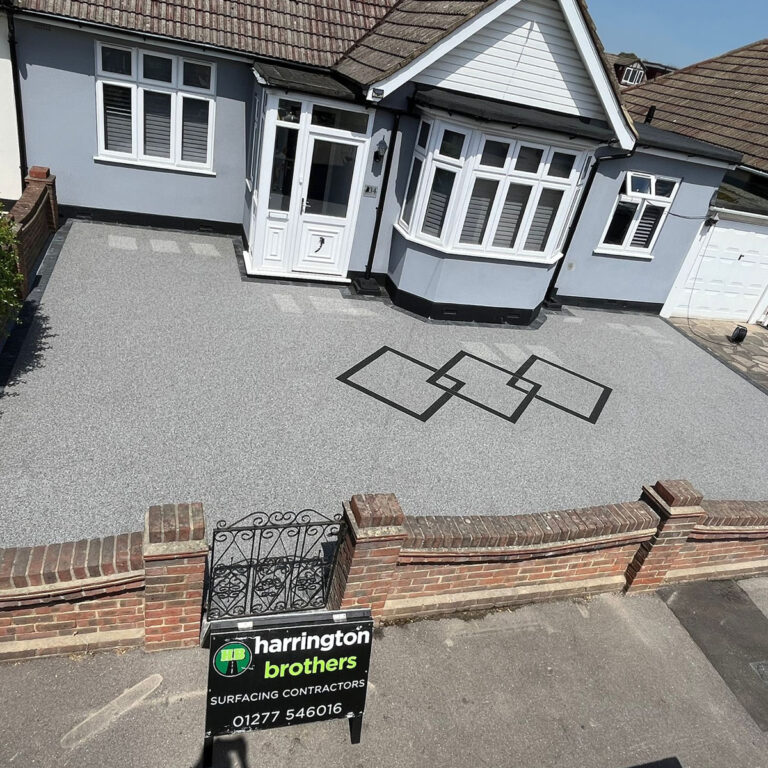
Resin bound (stones mixed through clear resin and trowelled smooth) can go over a sound existing base, but not onto any old surface. We lay a tarmac sub-base where needed and an anti-crack membrane, then a border in block, granite sett or brindle tegular. It’s permeable, keeps weeds out and should last 15 to 25 years. Resin bound starts from £50 per m². On a slope, resin bonded (stones scattered onto a resin layer) gives more grip. See our resin driveways in Chelmsford.
Block paving
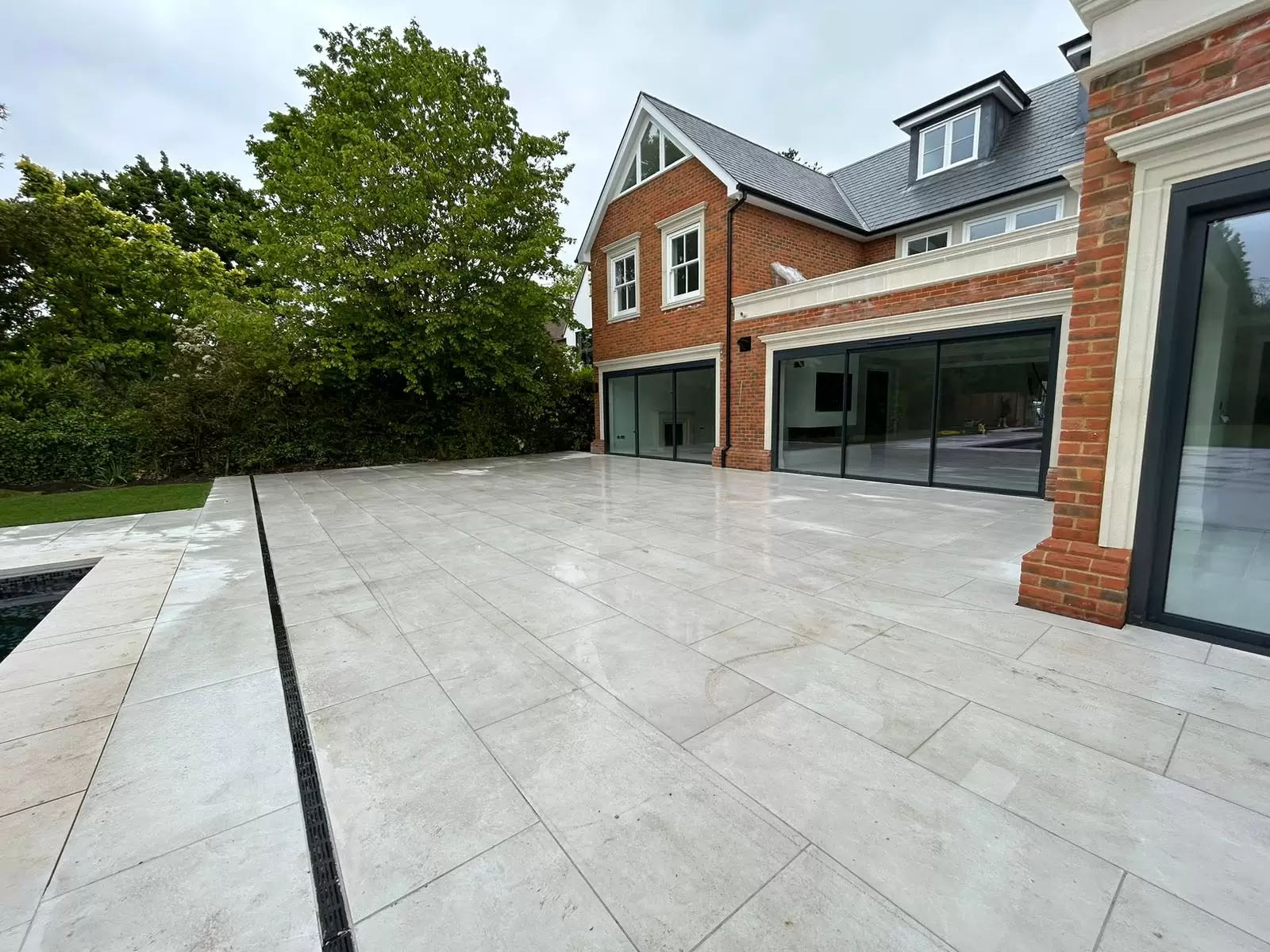
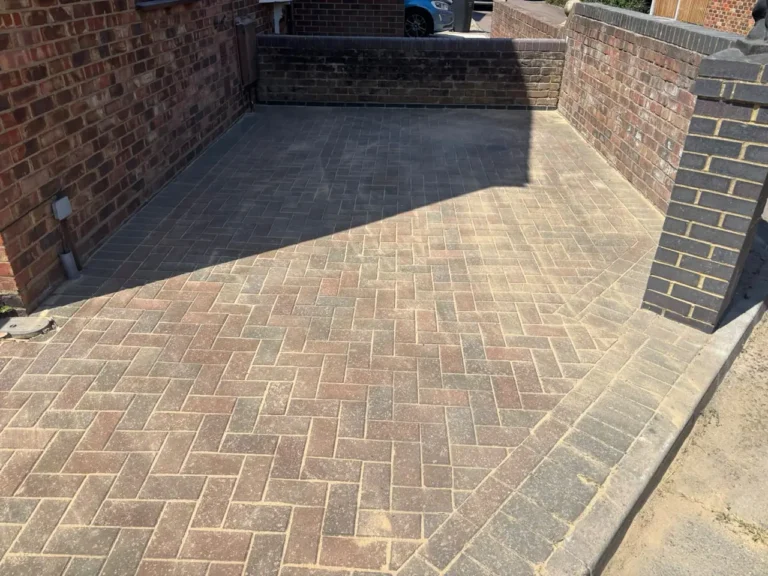
Old block paving often doesn’t need replacing, just relaying. On a job in Stanmore, London, we lifted the existing blocks, took out the old screed, laid new screed and relaid the blocks for a fresh new look. Where blocks are broken or you want a change, new block paving starts from £60 per m² and should last 25 years or more. See block paving in Chelmsford.
Driveway resurfacing prices start from the figures shown and are indicative only. The final price depends on the area, access, ground preparation required and material specification, and we give a fixed quote after a free, no obligation on site survey. If you’d like to spread the cost, see our finance options.
What happens while we’re on your drive
Most driveway resurfacing jobs on a domestic drive take us 2 to 5 days on site. We agree the schedule with you beforehand, and we’ll ask you to get the cars out onto the road before we arrive. It’s worth a word with the neighbours too, because there’ll be a lorry outside for some of it.
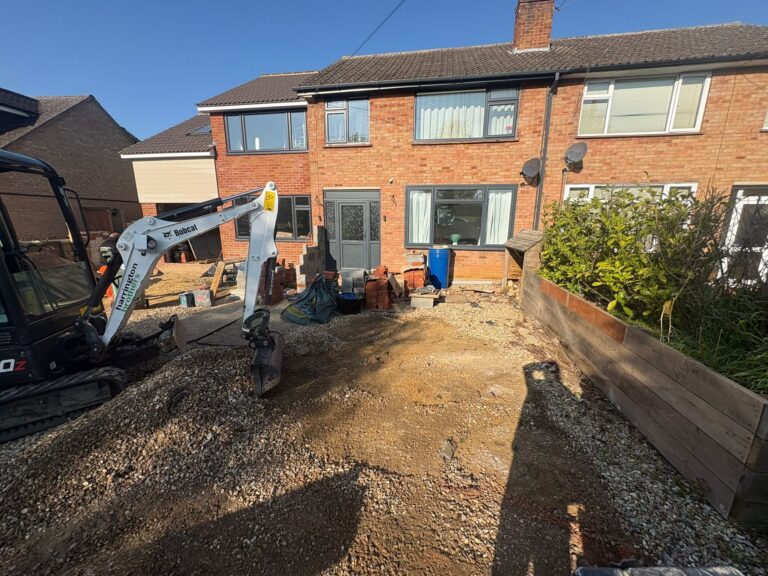
First comes the loud part. Breaking out failed areas, planing or digging down to the right level, and loading it all away. Then edges and kerbs get reset, covers raised, and any rebuilt patches compacted in layers. You’ll hear the plate and the roller, and you’ll see a lorry or two.
Laying the new surface is often the quickest day of a driveway resurfacing job. On tarmac, the hot material arrives, we lay it by hand, roll it and seal the joints. Resin goes down in dry weather above about 5°C, so in winter there can be a short wait for the right day. Block paving goes down a section at a time, then kiln dried sand is swept into the joints and compacted.
Then give it time. Tarmac: walk on after a few hours, drive on after 24 to 48 hours, and keep jack stands and motorbike stands off it for 2 to 4 weeks. Resin bound: walk on after 12 to 24 hours, drive on after 48 to 72. Block paving: drive on straight after compaction and jointing.
Drainage and planning for driveway resurfacing
People are often surprised that driveway resurfacing can need planning permission. If you lay more than 5 m² of a surface that doesn’t let water through, such as tarmac, across a front garden and it drains onto the road, you normally need permission, even when you’re replacing an old drive. The Planning Portal guide to paving your front garden sets out the rule.
There are two simple ways round it: a permeable surface like resin bound, or setting the falls so water runs to a lawn, border or soakaway on your own land. We plan that at the survey. In a conservation area or with a listed building, check with Chelmsford City Council’s planning team first, and we’ll flag anything we spot.
Widening the entrance or adding a new one means a dropped kerb, which the council has to approve before any work on the pavement side.
What a cheap driveway resurfacing job leaves out
When we look at a failed driveway resurfacing job, the story is usually the same. Someone offered it cheap and quick, and the saving came from one of these:
- Laying over a base that was already failing, so the cracks come straight back through
- A thin top layer with no proper edge, which crumbles in from the sides
- No bitumen overbanding on the joints, so water gets in and starts the rot
- Building the levels up over the damp proof course, or burying a gully (the drain grate at the low point)
- Resin bound laid with no anti-crack membrane, or in cold damp weather or using inferior resin products
And if someone knocks on your door with leftover tarmac from a job round the corner, say no thanks. Good surfacing comes from a survey, a written quote and a plan for the base, not from a lorry that needs emptying before the driver goes home.
Whoever you get to quote, ask them two things: what’s going under the new surface, and how the edges and joints will be finished. If the answers are vague, the job usually is too.
Who you’re dealing with
Harrington Brothers is a family run business with over 50 years in surfacing. Our yard is in Blackmore, a short drive from Chelmsford, so coming out to look at your drive isn’t a day trip for us. We’ve laid tarmac driveways in Chelmsford, resin driveways and also block paved driveways, and carried out road repairs in the town under traffic management.
We’re also main contractors for local authorities, including Hertsmere, Barnet, Tower Hamlets and Brentwood councils, and about 90% of our work comes from referrals and repeat customers. For a free survey, call 01277 546016 or contact us. You can also browse our wider driveways page or everything we do on our Chelmsford page.

Driveway Resurfacing in Chelmsford: your questions
Can you resurface over an existing driveway?
Yes, if the base is sound. Tarmac and resin bound can both go over a sound existing base after repairs, as long as the levels stay below your damp proof course. If the drive is rutted, sinking or crazed with cracks, the base has failed and needs rebuilding first, or the new surface will crack the same way.
How much does driveway resurfacing cost in Chelmsford?
It depends on the surface and how much of the base needs work. Tarmac starts from £25 per m², resin bound from £50 per m² and block paving from £60 per m². These are indicative only: the final price depends on the area, access, ground preparation and material, and we give a fixed quote after a free, no obligation survey.
How long does driveway resurfacing take?
Most domestic driveways take us 2 to 5 days on site, depending on size, the surface you choose and how much base repair is needed. We agree the schedule with you beforehand.
Do I need planning permission to resurface my driveway?
Usually not if you use a permeable surface or drain the water to your own land. Laying more than 5 m² of impermeable surface in a front garden that drains onto the road normally needs permission, even when you’re replacing an old drive. Conservation areas and listed buildings need checking first.
When can I drive on my resurfaced driveway?
Tarmac: after 24 to 48 hours, and keep jack stands and motorbike stands off it for 2 to 4 weeks. Resin bound: after 48 to 72 hours. Block paving: straight after compaction and jointing.
Can block paving be resurfaced?
Often it just needs lifting and relaying: old screed out, new screed in, and the same blocks laid back. If blocks are broken or you fancy a change, we can lay new block paving, or take it up and go to tarmac or resin bound instead.